HOW TO START AN AUTO REPAIR SHOP
11 min readUpdated
The order that matters
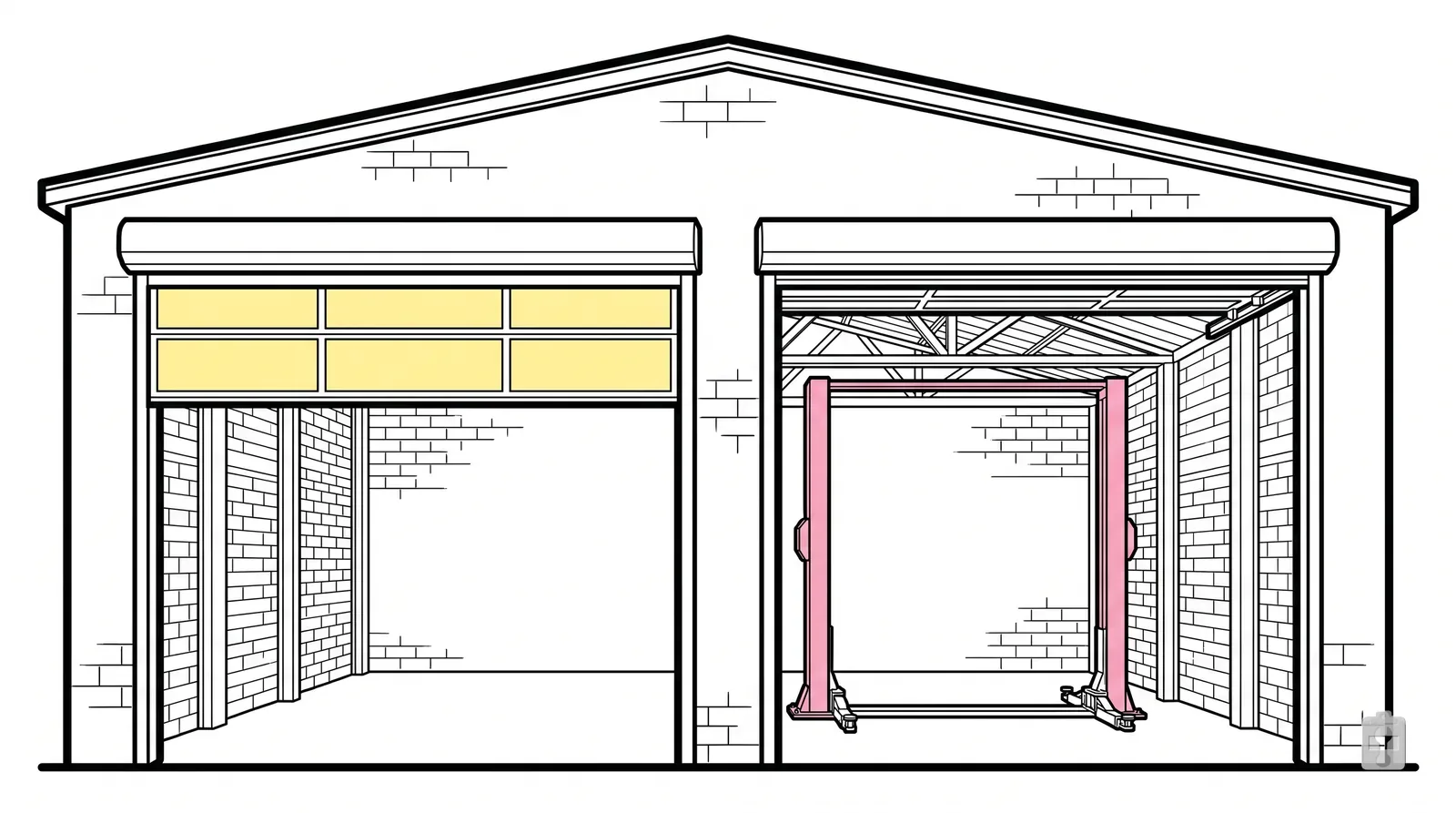
Almost every guide to opening a shop starts with the building. That is the wrong end. A lease is a five-year commitment priced against a revenue number you have not worked out yet, and it is the decision hardest to reverse.
Do it in this order instead: what you will charge, how many hours you can bill, what those hours have to cover, then what premises that revenue supports. The first three are arithmetic on the labor rate calculator; only the fourth needs a landlord.
What it costs
Published startup figures cluster at $70,000–$150,000 and up, with one published breakdown putting $30,000–$125,000 for lifts, diagnostic machines and tools at roughly the low and high ends of a build. Those numbers describe the one-off spend and almost never the runway — the months of rent, payroll and insurance you pay before the schedule fills.
The startup cost calculator asks for both, because the second is what actually kills new shops.
Premises and permits, in that order
Zoning first. Automotive repair is a conditional use in many commercial zones, and a lease signed on a site that cannot get the use permit is an expensive lesson. Then the environmental side: used oil and coolant storage, a compliant waste-oil arrangement, and in many jurisdictions an oil-water separator on the floor drains. How to lay out the drums, the bays and the parts flow once you are in is covered in mechanic shop organization ideas.
Add a state repair-facility registration where one exists, a business licence, sales tax registration if you sell parts, and an EPA identification number if your waste volumes require it. None of these are hard; all of them take longer than you expect, and several gate the certificate of occupancy.
Equipment, in tiers
| Tier | What it buys | What it rules out |
|---|---|---|
| Lean | Used lifts, basic scan tool, hand tools | Alignment, A/C service, ADAS calibration |
| Standard | New lifts, mid scan platform, A/C machine, tyre gear | Alignment, ADAS |
| Full | Alignment rack, two scan platforms, ADAS targets | Little — but the capital is the largest |
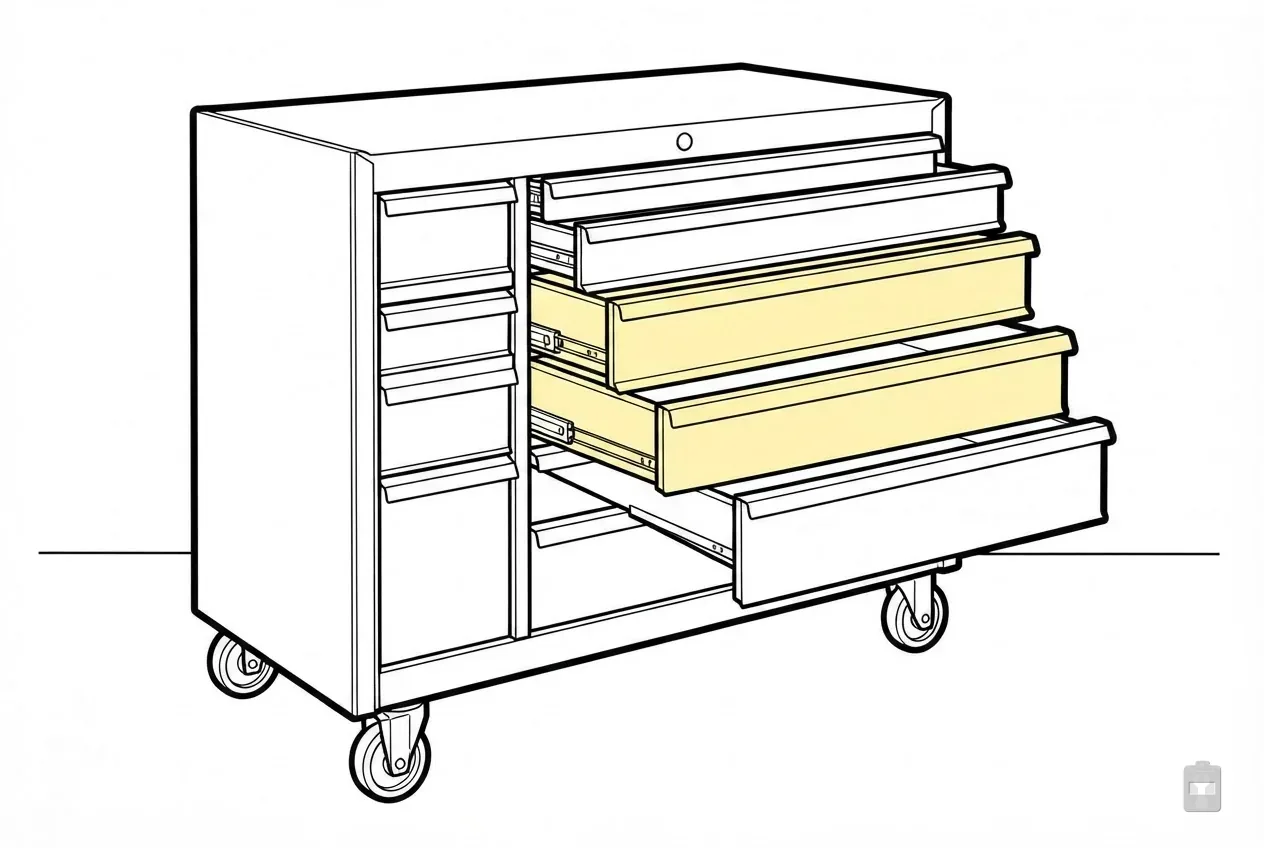
Start lean and sublet what you cannot do. An alignment rack that runs twice a week is a bad asset; the same rack at four a day is the best one in the building. Let demand buy the equipment. The same goes for the counter: a shop planning to sell tires in volume needs stock by size and tire registration from the first set, which general platforms handle unevenly, so compare tire shop software before you buy the tire machine.
The first two hires
A technician and a service adviser, and if you can only afford one, it depends on which one you are. An owner-technician needs the adviser first — the counter is what fills the bay, and an owner under a car cannot answer the phone. The national technician median is $50,620 a year (median, May 2025), and a good adviser is not cheaper. Before you write the offer, see how flat-rate and hourly pay plans handle a slow week and overtime.
Whichever you hire, decide the pay model deliberately: flat rate makes efficiency the technician’s income, hourly puts that risk on you. Both are covered in the pay guide, and the efficiency calculator shows what each does to the numbers.
The first ninety days
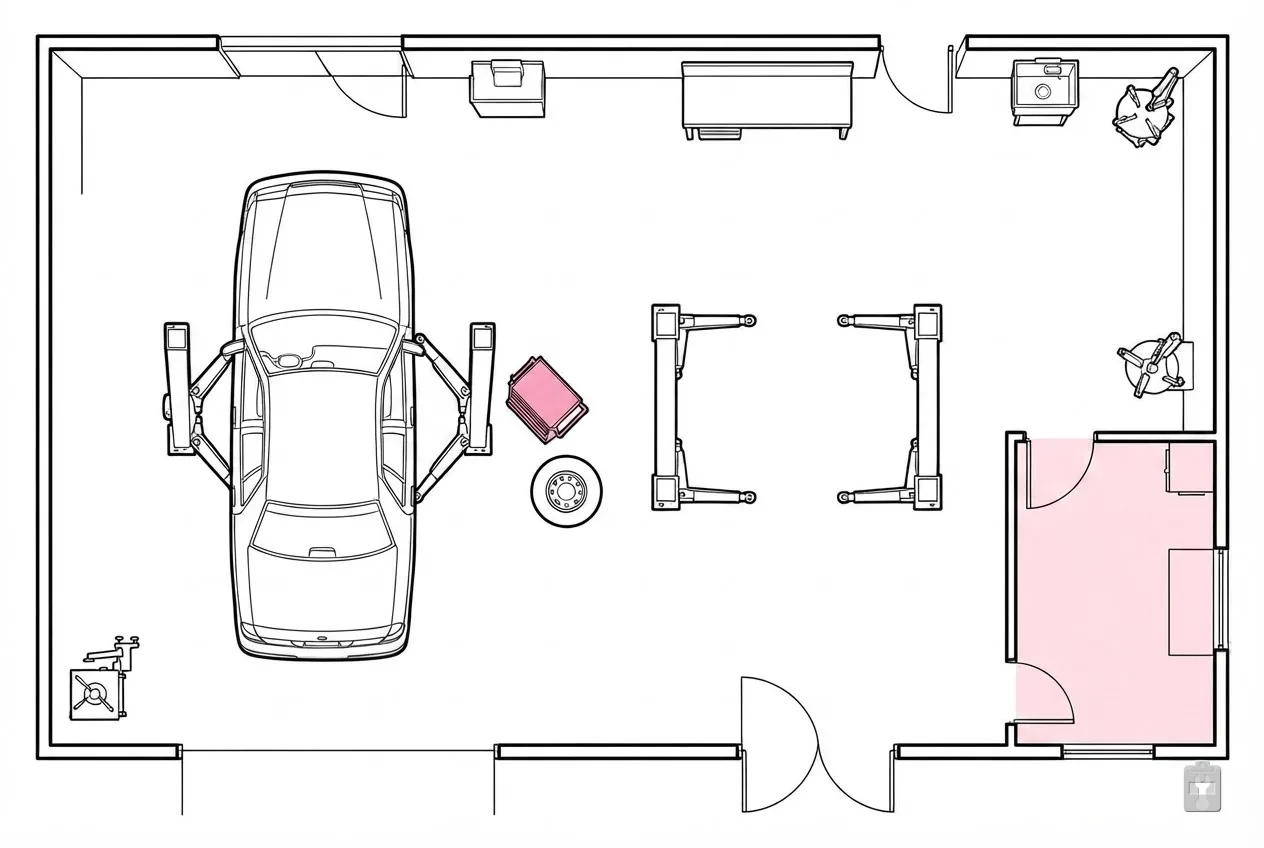
Track three things weekly from day one: billed hours, productivity against the 80% target, and effective labor rate. Revenue will bounce around and tell you nothing. Those three will tell you whether the problem is demand, throughput or pricing, which are three different fixes — and only the first is a marketing problem.
Get the paperwork right from the first car: a real repair order, a real invoice, and an insurance programme that covers customer vehicles in your care. A typical independent runs at about 6–7% net, and every one of those points is defended by process rather than by working longer.
STARTUP CARD
- Startup capital
- $70,000–$150,000 and up
- Equipment
- $30,000–$125,000 for lifts, diagnostic machines and tools
- Garage liability
- $1,300–$2,500 a year
- All-in insurance
- $107 a month, about $1,286 a year
- Technician median
- $50,620 a year (median, May 2025)
- Typical net margin
- 6–7% net
- Productivity target
- 80%
SOURCES
Each line is where a figure on this page came from and the date it was read.
| Figure | Source | Read |
|---|---|---|
| Startup capital band | AutoLeap — How to Start an Auto Repair Shop in 2026 | |
| Equipment and tooling band | Sharpsheets — Auto Repair Startup Costs | |
| Garage liability annual premium | Fit Small Business — Garage Liability Insurance | |
| All-in shop insurance average | MoneyGeek — Auto Repair Shop Business Insurance | |
| Technician median wage | U.S. Bureau of Labor Statistics — Occupational Outlook Handbook | |
| Broad-average after-tax net margin for repair shops | Sunbit — Good Profit Margin for an Auto Repair Shop | |
| Reference door rate | WickedFile — Average Mechanic Labor Rate 2026 | |
| Productivity target | AutoVitals — Calculating Technician Efficiency |